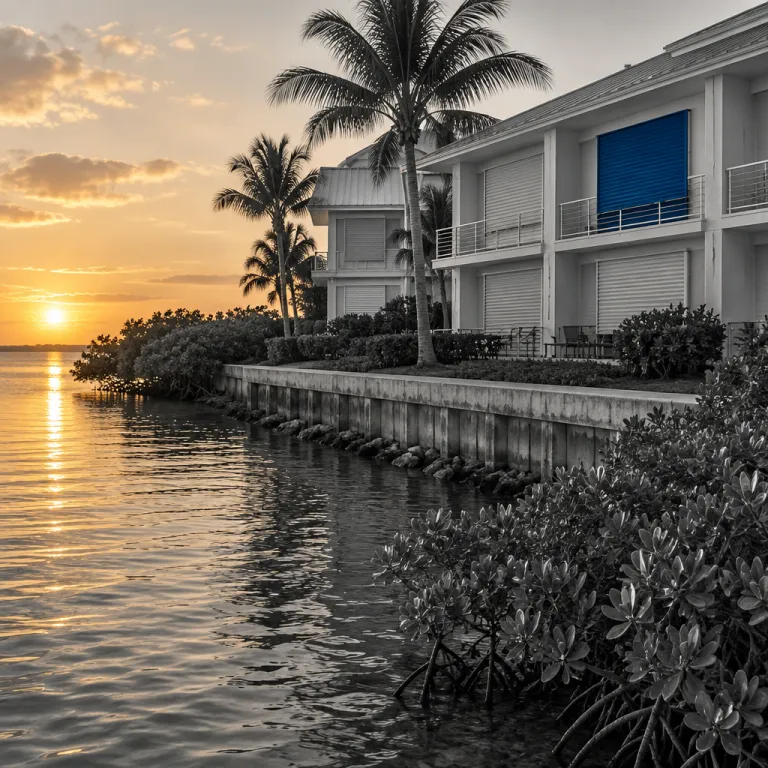
Why hospitality insurance in Key Largo is now a travel insurance strategy issue
Key Largo sits at the fragile edge of the Atlantic, where hospitality insurance in Key Largo is no longer a quiet back office topic. For travel insurers, online travel agencies (OTAs) and financial directors, every storm season tests whether insurance coverage can truly protect assets, keep guests moving and keep each business open. The way a coastal resort structures its business insurance will directly influence how you design travel insurance and client cancellation guarantees.
Local hospitality businesses operate with a complex mix of property, liability and marine exposure, so any insurance decision must connect hotel risk with guest trip risk. In Key Largo and nearby Key West, a single tropical depression can trigger thousands of travel insurance claims, from cancelled flights to flooded rooms and damaged cargo for marine excursions. When hospitality insurance is aligned with travel protection, OTAs and travel agencies can promise that both the trip and the property are covered by coherent insurance solutions.
Specialist brokers and carriers that focus on hospitality insurance for Key Largo businesses, together with programs from organisations such as the Florida Restaurant & Lodging Association (FRLA), illustrate how expert partners help protect coastal assets. FRLA reports that lodging members in Monroe County, which includes Key Largo, have seen hurricane-related insurance costs rise steadily over the past decade, pushing more owners toward bundled commercial insurance packages. These arrangements combine property insurance, liability insurance and workers’ compensation to keep employees and guests protected during natural disasters. For travel insurers, partnering with such local expertise in the Keys turns generic coverage into a precise lever for resilience.
From room risk to trip risk: aligning property and travel coverage
Every coastal hotel or marina in Key Largo carries property insurance that must respond to wind, flood and storm surge. When that hospitality coverage fails or has gaps, OTAs and platforms suddenly face a spike in travel insurance claims and complex client refund negotiations. Aligning hotel property protection with trip cancellation rules reduces friction for both guests and distribution partners.
For example, a resort that has robust insurance coverage for business interruption and liability after a hurricane can reopen faster and honour more bookings. That same resort, working with a travel insurer, can embed clear cancellation triggers in trip protection so that guests know exactly when they are covered and when the property will still operate. In this way, hospitality insurance in Key Largo becomes a shared framework that helps protect assets, revenue and client trust.
Key Largo properties also rely on association programs such as the FRLA hospitality-insurance initiative for Florida restaurant and lodging members. These programs often negotiate better terms for liability insurance, workers’ compensation and other commercial coverages, which stabilises costs for local hospitality business owners. For OTAs and travel agencies, working with hotels that use such programs in Key Largo and Key West means fewer last-minute cancellations and more predictable coverage outcomes for travellers, which supports advanced strategies like bundled destination insurance used as a marketing lever.
Marine and coastal exposures: extending hospitality insurance to excursions and cargo
Hospitality insurance in Key Largo must look beyond the hotel lobby, because the guest experience extends onto boats, piers and fragile reefs. Many properties operate or contract marine excursions, which introduces marine insurance needs for vessels, crew, passengers and cargo such as diving equipment. When these marine activities are not properly covered, a single incident can generate liability claims that ripple back into travel insurance portfolios.
Specialist carriers and underwriters experienced in Florida coastal risks structure marine insurance to protect both physical assets and third-party liability. A marina hotel in Key Largo, for instance, may need liability coverage for slips and falls on wet docks, as well as business insurance that covers damage to boats moored on its property during natural disasters. If those risks are clearly insured, travel insurers and OTAs can confidently state in their insurance coverage wording that excursions are safely covered or excluded with transparent conditions.
Local insurance advisors familiar with Keys regulations often tailor commercial insurance for these mixed hospitality and marine operations. Their programs typically integrate workers’ compensation for deckhands and guides, property insurance for waterfront structures and liability insurance for guest injuries during marine tours. Corporate travel buyers and hotel commercial teams can then position this robust hospitality protection within their broader insurance partner ecosystem, as explored in depth in industry analyses on how hotel commercial teams should position their insurance partner ecosystem.
Workers compensation, employee benefits and the guest protection chain
Behind every smooth evacuation or rebooking operation in Key Largo stands a trained team of employees who must themselves be protected. Workers’ compensation and broader employee benefits are not just regulatory obligations; they are the backbone of operational continuity during crises. When staff know that their own insurance coverage and support are secure, they can focus fully on guest safety and service.
Florida hospitality businesses are generally required to carry workers’ compensation once they reach specific employee thresholds, which means even relatively small hotels must plan for this coverage. For OTAs and travel insurers, verifying that partner hotels maintain compliant workers’ compensation and liability insurance is part of due diligence, because staff injuries during evacuations can otherwise escalate into liability claims involving multiple parties. A well-structured hospitality insurance program in Key Largo or Key West will therefore integrate workers’ compensation, liability coverage and property protection into a single commercial insurance package.
Travel insurers should map how these protections interact with client-facing guarantees, especially for trip interruption and emergency assistance. If a property is covered for business interruption and can keep a core team of employees on payroll, it will reopen faster and reduce the duration and cost of travel insurance claims. This alignment between employee benefits, business insurance and guest protection transforms hospitality insurance in Key Largo from a static policy into a dynamic resilience tool.
Data driven underwriting: seasonality, natural disasters and cancellation patterns
Key Largo operates on a pronounced seasonal curve, with occupancy and revenue peaking when storm risk also rises. Insurers and OTAs that underwrite hospitality insurance in the Keys without integrating seasonal data will misprice both hotel coverage and travel insurance premiums. Sophisticated carriers now use revenue modelling and wind or hurricane zone ratings to calibrate insurance coverage for each property.
For travel insurers, these same datasets can inform dynamic pricing of cancellation and delay benefits, especially for itineraries that combine Key Largo and Key West stays. When a property has strong protection against natural disasters, including flood endorsements and business interruption cover, the probability of long closures falls and travel insurance can focus on shorter trip disruptions. Conversely, where property insurance is thin and assets are under-protected, travel insurers may need to raise premiums or limit coverage for certain dates.
Loss-run reviews, combined with granular claims analysis, help identify which types of liability claims and property losses drive the highest costs in this coastal corridor. FEMA flood-zone maps for Monroe County, for example, show that many waterfront parcels in Key Largo sit in Special Flood Hazard Areas, which increases both insurance costs and the likelihood of flood-related claims. OTAs and booking platforms can then steer demand toward hotels whose commercial insurance and hospitality risk management programs show better historical performance. For a deeper view on how coverage at checkout can lift conversion without cannibalising average daily rate, many industry leaders now examine detailed guides on the direct booking insurance advantage and coverage at checkout.
Operational playbooks: coordinating insurers, OTAs and local partners in Key Largo
When a storm approaches Key Largo, the quality of pre-agreed operational playbooks will determine how smoothly cancellations and rebookings unfold. Hospitality insurance in Key Largo must therefore be written with clear communication clauses between property owners, insurers, OTAs and travel insurance partners. Without these clauses, even well-designed insurance solutions can fail under pressure.
Best practice is to define in advance who will contact insurance partners, who will notify OTAs and who will manage direct guest communication when a property is no longer covered for safe operations. A hotel with strong business insurance and liability coverage can commit to specific timelines for decisions, which allows travel insurers to trigger trip cancellation benefits in a controlled way. This clarity reduces disputes over whether a stay was truly impossible and whether liability claims should fall on the property, the insurer or the distribution partner.
Local associations such as the Florida Restaurant & Lodging Association, together with specialist hospitality insurance providers, play a central role in training hospitality teams on these protocols. Their guidance on property insurance, marine insurance and liability insurance in Key Largo and Key West helps standardise responses across many independent businesses. For OTAs, travel agencies and finance leaders, partnering with properties that follow these association standards is one of the most effective ways to protect assets, reduce unexpected claims and maintain client loyalty after disruptive events.
Key figures shaping hospitality and travel insurance in coastal Florida
- Workers’ compensation requirements in Florida can apply to hospitality businesses with relatively low employee counts, so even small hotels in Key Largo should confirm thresholds with licensed advisors and integrate this coverage into their insurance strategy.
- Specialist hospitality insurance programs in Florida often bundle property, general liability, workers’ compensation and business interruption in a single commercial insurance package, which can reduce uninsured losses and improve financial resilience for coastal assets exposed to natural disasters.
- Flood insurance is frequently required by lenders for coastal properties in Key Largo, so property insurance without flood or wind endorsements will usually be considered incomplete coverage for both business continuity and guest protection.
- Association-based hospitality-insurance programs such as those offered by the Florida Restaurant & Lodging Association can leverage group purchasing power to reduce premiums, which is particularly valuable as the cost for wind and flood coverage continues to grow for coastal hospitality business owners.
- Cyber risk is rising for hospitality operations that rely on OTAs and online booking platforms, pushing more insurers to add cyber endorsements to traditional hospitality insurance packages so that both guest data and payment flows remain protected.
FAQ about hospitality insurance in Key Largo and its link to travel insurance
What coverages are essential for hospitality businesses in Key Largo?
Essential protections include property insurance for buildings and contents, general liability insurance for guest injuries and third-party damage, workers’ compensation for employees and business interruption coverage for revenue loss after storms. Many properties also need flood and wind endorsements because standard policies may not fully cover these natural disasters. For hotels with marine activities, dedicated marine insurance is critical to protect boats, cargo and waterfront assets.
Is flood insurance mandatory for hotels and resorts in Key Largo?
Flood insurance is often required by lenders for coastal properties in Key Largo, especially when they sit in designated flood zones. Even when not strictly mandatory by law, it is considered a core part of hospitality insurance because storm surge and heavy rain are frequent. Without flood coverage, both the property and the connected travel insurance promises to guests may be undermined after a major event.
Do hospitality businesses that serve alcohol need special liability coverage?
Hospitality businesses that serve alcohol onsite generally need liquor liability coverage as an extension of their liability insurance. This specialised protection responds to claims arising from alcohol-related incidents, which standard general liability may not fully cover. For travel insurers and OTAs, working with properties that maintain appropriate liquor liability reduces the risk of complex liability claims involving multiple parties.
How does hospitality insurance in Key Largo affect travel insurance and cancellation policies?
When a property in Key Largo has strong hospitality insurance, including business interruption and clear natural disaster clauses, it can make faster and more predictable decisions about closures and re-openings. Travel insurers can then align trip cancellation triggers with these operational thresholds, which simplifies claims handling for both guests and distribution partners. Weak or ambiguous property coverage, by contrast, often leads to disputes over refunds and liability after storms.
Which partners should OTAs and travel insurers work with for coastal hospitality risks?
OTAs and travel insurers should prioritise partnerships with specialist carriers, underwriters experienced in Florida coastal risks and local agents familiar with Keys regulations. Providers that focus on hospitality insurance and association programs like the Florida Restaurant & Lodging Association hospitality-insurance initiative bring deep expertise in property, liability, workers’ compensation and marine exposures. These partners help design integrated insurance solutions that protect assets, employees and guests across both hospitality and travel insurance portfolios.