Why bailee coverage is now a strategic issue in travel insurance
Every hospitality brand that touches luggage, equipment or documents is already acting as a bailee for its guests. When a hotel, tour operator or OTA enabled partner takes customer property into its possession, it quietly assumes a business exposure that traditional travel insurance and general liability insurance rarely address well. For travel insurers and booking platforms, this gap in coverage is becoming a commercial and reputational risk as guest expectations rise.
Bailee coverage is the specific form of insurance that protects a business holding others’ property in its care, custody or control. It sits at the intersection of property insurance, liability insurance and inland marine insurance, and it is designed to respond when customer property is damaged, lost or stolen while entrusted to a commercial operator. In hospitality and transportation, this can involve luggage in storage rooms, sports equipment in ski lockers, or cargo handled during multi segment trips that combine air, rail and motor truck transfers.
Dataset guidance is clear on the structural gap that bailee insurance is meant to fill. As one verified statement notes, “General liability excludes property in care custody control.” A second reminder is equally important for insurance commercial product designers working with hotels and OTAs : “Does general liability cover customer property? Often excludes items in care custody control.” Finally, the legal trigger must be understood by every insurance professional and every small business partner : “When is bailee legally liable? When damage occurs due to your fault under legal liability form.”
Designing bailee insurance inside travel and hospitality products
For travel insurers, the challenge is to embed bailee coverage into existing travel insurance policy structures without confusing customers or duplicating coverage. The most effective designs treat the bailee as a distinct actor within the journey, separate from the traveller’s own risk insurance and from the hotel’s general liability or commercial property programme. This approach allows clear allocation of liability, transparent limits and simple claims journeys for both individual travellers and corporate clients.
Technically, bailee insurance is often implemented through inland marine lines, using tools such as bailee customer floaters or legal liability endorsements. These inland marine solutions can be tailored to specific hospitality scenarios, such as luggage storage at urban hotels, ski equipment rental at mountain resorts, or truck cargo transfers between airports and cruise terminals. For OTAs and booking engines, the same logic can extend to cargo insurance like motor truck cargo coverage or equipment insurance for high value sports gear, all surfaced contextually during the booking flow.
AI driven underwriting is already reshaping how travel insurance pricing is embedded in hotel booking engines, and the same techniques can refine bailee coverage pricing. When insurers and platforms analyse transportation patterns, room types and ancillary services, they can calibrate liability insurance limits and property insurance sublimits to the real risk profile of each property and each itinerary. A detailed perspective on this shift is available in this analysis of AI driven underwriting for personalized travel insurance pricing inside hotel booking engines, which can be extended conceptually to bailee and inland marine exposures.
From cancellation guarantees to custody of property: aligning revenue and risk
Hotel revenue managers and directions financières have already learned that cancellation coverage is no longer a marginal line item in their business models. The same strategic shift now needs to happen for coverage of customer property held on site, because every bag stored pre check in or post check out creates a measurable liability. When bailee coverage is ignored, a single high value loss can erase the margin from an entire season of ancillary revenue.
For OTAs and travel agencies, the opportunity is to integrate bailee insurance and related coverage bailee clauses into bundled products that already include trip cancellation and delay benefits. When a traveller purchases a package that combines cancellation protection, baggage coverage and clear bailee coverage for items stored at partner hotels, the perceived value of the policy increases while claims disputes decrease. This is especially relevant for small business partners such as boutique hotels or adventure lodges, which often lack sophisticated commercial auto or workers compensation programmes but still handle complex customer property exposures.
Revenue teams should treat bailee and property insurance in the same strategic way they now treat cancellation guarantees. A useful framing can be found in this discussion of why cancellation coverage is no longer just a line item for hotel revenue teams, and the same reasoning applies to liability insurance for property in custody. When bailee coverage is aligned with pricing, marketing and guest communication, it becomes a lever for trust and upsell rather than a reluctant cost of doing business.
Mapping real world bailee scenarios across the guest journey
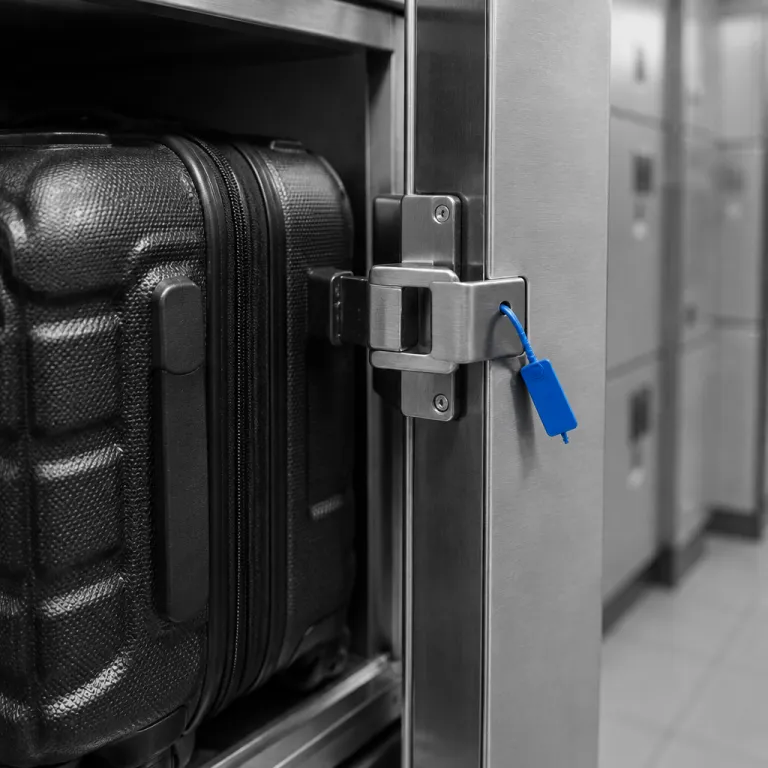
In hospitality, the bailee role appears in more places than many insurance professional teams initially expect. A city hotel becomes a bailee when it stores luggage before check in, a ski resort acts as a bailee when it holds guest equipment overnight, and a tour operator becomes a bailee when it consolidates bags for transportation between stages of an itinerary. Each of these touchpoints involves property in the business’s possession and therefore a distinct liability exposure.
Consider a multi country trip where an OTA packages flights, rail segments and local transportation with hotel stays and excursions. Luggage may be transferred by motor truck between airports and hotels, stored in commercial property back rooms, and handled by subcontracted transportation providers, each step creating a chain of bailee responsibilities. If a truck cargo accident destroys several bags, or if theft occurs from a hotel storage room, the question of which policy responds — travel insurance, bailee insurance, cargo insurance or general liability — becomes critical for both claims handling and customer satisfaction.
Construction and renovation projects add another layer of complexity for resort operators and their insurers. When contractors store tools and equipment on site, equipment insurance and inland marine lines may respond, but when guests’ belongings are moved between temporary rooms or held in offsite storage, dedicated bailee coverage is usually required. Clear contracts, itemized receipts and storage certificates help define when a business is acting as a bailee, while well drafted policy wording ensures that risk insurance and liability insurance respond in a predictable way.
Integrating bailee coverage into digital booking and claims experiences
For OTAs and platforms de réservation, the next frontier is to make bailee coverage visible and understandable inside the booking path. When customers see that their luggage, sports gear or business equipment is protected while in hotel custody, they are more likely to accept higher room rates or ancillary fees for storage and handling. This transparency also reduces friction when a loss occurs, because the traveller already knows which policy and which bailee are involved.
From a product design perspective, bailee insurance can be offered as an optional add on or embedded automatically for certain room types, loyalty tiers or corporate contracts. APIs can connect booking engines to insurance commercial platforms that rate bailee coverage dynamically based on stay length, number of bags, declared value and transportation complexity. For example, a corporate traveller booking a conference package with expensive presentation equipment might trigger higher limits under both property insurance and bailee coverage, while a leisure guest with only hand luggage might remain within standard general liability and personal lines protections.
Claims handling is where the promise of bailee coverage is either confirmed or undermined. Digital workflows that allow guests to submit photos, receipts and incident descriptions directly to the relevant insurer help separate pure travel insurance claims from bailee or cargo insurance claims. When workers compensation, commercial auto and truck cargo policies are also involved after an incident, clear triage rules ensure that each line of insurance responds only to its intended slice of the loss, preserving both customer trust and underwriting discipline.
Aligning bailee strategy with sustainable and resilient travel ecosystems
As hospitality brands reposition around sustainable and resilient travel, the way they manage customer property and related risk insurance becomes part of their ESG narrative. A hotel that can guarantee safe custody of luggage during low carbon rail transfers, or a resort that protects stored sports equipment during off season closures, is not only managing liability but also reinforcing its commitment to responsible operations. For insurers, this creates an opportunity to align bailee coverage with broader sustainability metrics and long term partnerships.
In practice, this means integrating bailee insurance and inland marine solutions into multi year frameworks that also address commercial property resilience, workers compensation safety programmes and general liability risk engineering. When OTAs and insurers co design products that protect both travellers and the businesses acting as bailee, they support more stable supply chains for transportation, construction and hospitality services. This stability becomes especially valuable when climate related events disrupt cargo flows, damage storage facilities or force rapid relocation of guests and their belongings.
Strategic content on sustainable travel protection already highlights how insurance can underpin hotel strategy and guest confidence. A relevant example is this analysis of the insurance industry’s evolving role in sustainable travel protection for hotel strategy, which can be extended to include bailee coverage for customer property. When bailee, cargo insurance, commercial auto and equipment insurance are coordinated under a coherent policy architecture, hospitality ecosystems become more resilient, and customers gain a clearer understanding of how their property is protected at every stage of the journey.
Key statistics and market signals for bailee coverage in hospitality
- According to the Insurance Information Institute, commercial inland marine premiums in the United States exceeded 30 billion USD recently, reflecting growing demand for coverage of property in transit and in custody across sectors including hospitality and transportation.
- Industry surveys from large global brokers indicate that more than half of mid sized hotels and resorts have experienced at least one significant incident involving customer property in the past three years, yet many relied solely on general liability or commercial property policies that provided limited or no bailee protection.
- Claims data from major travel insurance providers show that baggage and personal effects losses consistently rank among the top three claim categories by frequency, underscoring the need to clarify when travel insurance responds and when dedicated bailee insurance or cargo insurance should apply.
- Risk management studies in the logistics and tourism sectors report that integrating motor truck cargo, inland marine and bailee coverage into unified programmes can reduce dispute rates on property claims by up to 20 %, improving both customer satisfaction and operational efficiency.
FAQ: bailee coverage for travel insurers and hospitality partners
Which hospitality businesses most urgently need bailee coverage ?
Hotels with luggage storage, resorts with sports equipment rentals, tour operators handling group baggage and transportation providers managing truck cargo are among the most exposed. Any small business that regularly holds customer property, even briefly, should work with an insurance professional to assess whether general liability and property insurance are sufficient or whether dedicated bailee insurance and inland marine solutions are required. Repair shops, cleaners and warehouses mentioned in the dataset share similar exposure patterns with many hospitality actors.
How does bailee coverage interact with a guest’s personal travel insurance ?
Personal travel insurance and other personal lines typically protect the traveller’s own property against a broad range of risks, regardless of who is at fault. Bailee coverage, by contrast, focuses on the legal liability of the business that has taken possession of the property, responding when loss or damage occurs under its care, custody or control. Clear wording and communication help avoid double insurance and ensure that each policy responds to the part of the loss it is designed to cover.
Is general liability insurance ever enough for customer property exposures ?
Standard general liability policies often exclude property in the insured’s care, custody or control, which is why the dataset explicitly states that “General liability excludes property in care custody control.” Some endorsements can narrow this exclusion, but they rarely provide the same breadth or clarity as dedicated bailee coverage or inland marine forms. Insurers and hospitality businesses should review policy language carefully to avoid assuming that general liability will respond to losses involving stored luggage or other entrusted items.
What role do inland marine and cargo insurance play in hospitality journeys ?
Inland marine and cargo insurance products protect property while it is in transit or temporarily stored away from the insured’s main premises, which is common in complex travel itineraries. When hotels, tour operators or transportation partners move luggage or equipment between locations, inland marine lines and motor truck cargo policies can complement bailee coverage to address transit specific risks. Coordinating these policies reduces gaps and overlaps, especially when multiple carriers and subcontractors are involved.
How should OTAs and booking platforms present bailee coverage to customers ?
OTAs and platforms de réservation should explain bailee coverage in simple, outcome focused language, emphasising that it protects items held by hotels or partners rather than items kept with the traveller. Contextual prompts during booking — for example when guests select luggage storage, sports rentals or high value equipment options — can offer tailored coverage with clear limits and deductibles. Transparent digital journeys for both purchase and claims help reinforce trust and differentiate the platform in a competitive travel insurance market.
References
- Insurance Information Institute – inland marine and commercial property market data.
- Organisation mondiale du tourisme (UNWTO) – reports on global tourism flows and risk trends.
- Marsh & McLennan – hospitality and leisure risk management insights.