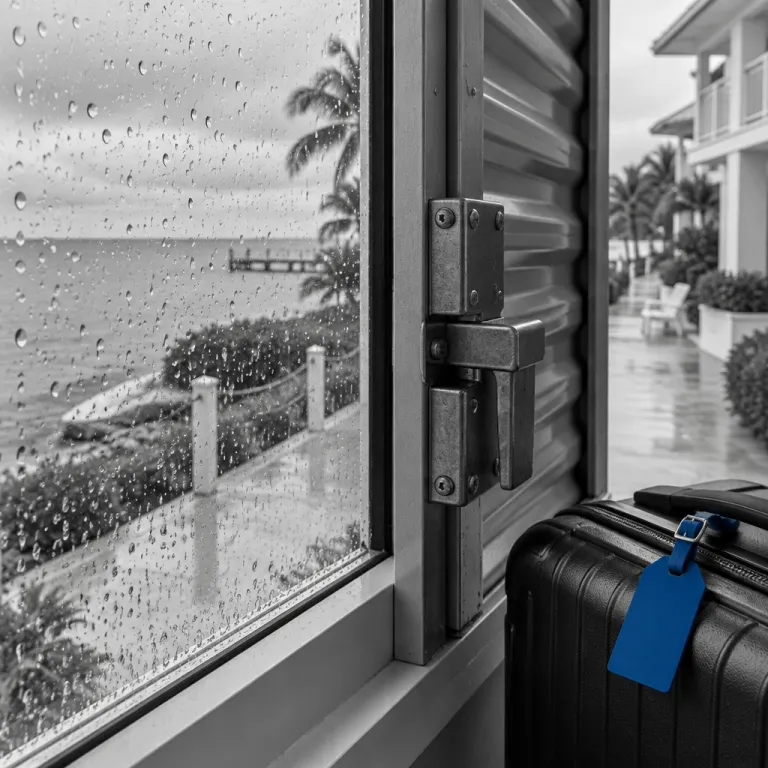
Why hospitality insurance in Islamorada, FL matters for travel insurers and OTAs
Hospitality insurance in Islamorada, FL sits at the crossroads of coastal risk, guest expectations, and travel insurance strategy. For any travel insurer or online travel agency that wants resilient business in the Florida Keys, the way a hotel or resort structures its insurance coverage directly shapes guest protection and cancellation outcomes. Hospitality leaders in this island chain know that every policy decision becomes a guest experience decision during the first tropical storm warning.
Islamorada concentrates a dense mix of hotel, hotel motel, boutique hotels, and luxury resort properties along a narrow strip of Overseas Highway. Each hospitality business faces elevated exposure on every insured property, from wind and flood to food and beverage incidents and slip and fall claims from guests arriving straight from the dock. Coastal properties pay 2-3× inland rates, which means every euro or dollar invested in business insurance must be justified by measurable protection for guests and for the travel partners that send them.
For travel insurers, the local insurance group ecosystem in Florida is not a distant backdrop but a key operational partner. When a resort manager in Islamorada negotiates general liability and liquor liability insurance, they are indirectly negotiating the risk profile of every travel insurance policy sold through OTAs and platforms. The median monthly general liability insurance cost in Islamorada is 45 USD, while a basic business owner policy bundle averages 83 USD, and those figures frame what is realistically sustainable for smaller hospitality members that still want robust guest service guarantees.
Aligning travel insurance products with local liability and property realities
Travel insurance and client cancellation protection only perform well in Islamorada when they are aligned with the underlying hospitality insurance structure. A hotel or resort that underinsures its property or skips dedicated liability insurance for coastal exposures creates hidden gaps that surface precisely when guests need service the most. For OTAs and agencies, understanding how local policies work is now a prerequisite for designing credible cancellation and interruption programs.
Regulators and carriers are clear about the baseline for a compliant hospitality business in the Florida Keys. “What insurance is required for a hotel in Islamorada? General liability, property, workers’ compensation, licensure, fire safety compliance” — this requirement list defines the minimum framework within which travel insurance coverage can safely operate. When a hotel manager treats workers compensation and general liability as strategic tools rather than simple costs, travel insurers gain a more predictable environment for handling guest claims and refunds.
For financial directors and platform leaders, this is where partnership design becomes critical. A structured hospitality insurance program that includes liquor liability, food and beverage risk controls, and tailored insurance coverage for storm damage allows travel insurers to promise faster, cleaner payouts on trip cancellation and curtailment. Detailed service level agreements can then link hotel guest service standards with travel insurance response times, supported by high quality claims processes as outlined in specialised analyses of claims quality and hotel partnership renewals.
Embedding travel insurance in the guest journey across Florida hospitality
Hospitality insurance in Islamorada, FL is no longer just a back office concern for local managers and insurance group representatives. It is becoming a visible part of the guest journey, from the moment a traveller books a room in a boutique hotel to the instant they read the cancellation terms on an OTA checkout page. For travel insurers and platforms, the challenge is to translate complex policy language into simple guest promises without diluting risk discipline.
Embedding travel insurance offers directly inside booking engines for hotel, hotel motel, and luxury resort properties in the Florida Keys allows OTAs to tailor coverage to the exact risk profile of each property. A waterfront resort with extensive food and beverage operations, active bars, and live music will carry different liquor liability and general liability exposures than a small inland guesthouse, and that difference should inform both pricing and wording. Articles on AI driven underwriting inside hotel booking engines show how granular property data can refine travel insurance offers in real time.
For platforms and agencies, the next step is to align guest service scripts with these embedded protections. When team members in a resort call centre explain flexible cancellation or hurricane interruption benefits, they should be speaking from the same playbook as the insurance business underwriter who designed the policy. This alignment becomes even more important as the industry moves toward sustainable travel protection models, where analyses of the evolving role of insurance in sustainable travel highlight how climate resilience and guest trust now intersect in coastal destinations like Islamorada.
From hurricane risk to cancellation logic : using local data in program design
Islamorada’s position in the Florida Keys forces every hospitality insurance decision to confront hurricane and flood risk head on. “How much does hotel insurance cost in Florida Keys? Small property general liability ~$45/month; BOP ~$83/month for basic bundle in Islamorada” — this cost baseline shapes what smaller properties can realistically afford in terms of coverage. For travel insurers and OTAs, these local economics should directly inform the structure of cancellation and interruption benefits.
When a property invests in comprehensive insurance coverage for wind, flood, and business interruption, travel insurance partners can confidently build more generous rebooking and refund rules into their program. Conversely, if a hotel or resort carries only minimal property protection and limited liability insurance, the cancellation logic must be more conservative to avoid unfunded promises to guests. Underwriters and financial directors should therefore treat local hospitality insurance data as a key input into pricing models for trip cancellation, delay, and non refundable rate protection.
Operationally, this means closer collaboration between the hotel manager, the insurance group, and the travel insurance actuaries who design the policy wording. Regular log join sessions between risk teams, where they review storm season scenarios and past guest claims, help refine both business insurance structures and guest facing travel products. When OTAs encourage partner hotels to join team workshops on risk and guest service, they create a shared understanding that reduces disputes and accelerates payouts during the next major storm.
Building multi stakeholder teams around guest protection and liability
Effective travel insurance and cancellation strategies in Islamorada depend on more than a well written policy. They require a coordinated équipe of hotel team members, insurance business specialists, and platform product managers who all understand how hospitality insurance in Islamorada, FL underpins guest trust. Without that shared understanding, even the best designed coverage can fail at the moment of truth.
In practice, this means mapping every guest touchpoint where insurance, liability, and service intersect. Front desk staff in a resort need clear scripts for explaining what happens if a hurricane triggers evacuation, while revenue managers must understand how non refundable rates interact with trip cancellation clauses. Risk managers should work closely with food and beverage leaders to ensure that liquor liability and general liability protections are matched by responsible service protocols, especially in luxury resort bars that attract both hotel guests and external visitors.
Digital collaboration channels matter as much as on site training. Many hospitality groups now use professional networks such as Facebook and LinkedIn to share case studies on workers compensation incidents, guest injury claims, and best practices for property inspections. When OTAs invite hotel managers to join team forums that include underwriters and claims experts, they create a continuous feedback loop that improves both hospitality insurance structures and the travel insurance products layered on top of them.
Strategic opportunities for insurers, OTAs, and booking platforms in Islamorada
For travel insurers, OTAs, and booking platforms, Islamorada is more than a picturesque stop in the Florida Keys. It is a live laboratory where hospitality insurance, guest expectations, and digital distribution models collide in a high risk coastal environment. Those who treat this destination as a strategic testing ground can refine products that later scale across wider florida hospitality markets.
One clear opportunity lies in co branded programs that link hospitality insurance in Islamorada, FL with tailored travel insurance coverage for specific property clusters. A portfolio of boutique hotels with strong safety records and robust business insurance can support more flexible cancellation terms and richer guest service guarantees. Conversely, higher risk hotel motel segments might focus on essential protections, such as medical assistance and basic trip interruption, while they gradually strengthen their underlying property and liability insurance frameworks.
Another promising avenue is the integration of real time risk signals into booking flows. When a storm system forms near the Florida Keys, OTAs could automatically surface enhanced coverage options and clear explanations of policy triggers to guests considering a resort stay. Insurers that work closely with local insurance group partners and property managers will be best placed to calibrate these dynamic offers, ensuring that every promise made to guests is fully backed by the hotel’s own policy and by the wider insurance services ecosystem.
Key figures and risk benchmarks for hospitality and travel insurance in Islamorada
- Median monthly general liability insurance cost for a small hospitality business in Islamorada is about 45 USD, which sets a realistic floor for hotel and resort liability budgeting in the area (Business Insurance Cost Guide, August).
- A basic business owner policy bundle that combines property and general liability coverage in Islamorada averages around 83 USD per month, highlighting how packaged insurance coverage can remain accessible even in high risk coastal zones (Business Insurance Cost Guide, August).
- Coastal hospitality properties in the Florida Keys typically pay between two and three times the insurance premiums of comparable inland properties, reflecting the elevated exposure to hurricanes, storm surge, and flood events in destinations like Islamorada.
- Annual policy renewal cycles and mandatory licensing inspections in Islamorada create a natural calendar for OTAs and travel insurers to review partner hotel risk profiles and adjust cancellation and interruption programs accordingly.
- Specialised hospitality insurance programs tailored to Florida hospitality risks are expanding, giving travel insurers and booking platforms more granular options when segmenting coverage by property type, size, and guest profile.
FAQ : travel insurance, cancellation, and hospitality insurance in Islamorada
What insurance is required for a hotel or resort in Islamorada ?
Local hospitality businesses in Islamorada are generally expected to carry general liability, commercial property insurance, and workers compensation, alongside compliance with fire safety and licensing rules. Many hotels and resorts also add liquor liability and specialised wind or flood coverage because of the hurricane exposure in the Florida Keys. Travel insurers and OTAs should verify that these core protections are in place before offering enhanced cancellation or interruption guarantees to guests.
How much does hotel insurance typically cost in the Florida Keys ?
For smaller properties in Islamorada, median monthly general liability premiums are around 45 USD, while a basic business owner policy that bundles property and liability averages about 83 USD. Larger resorts and luxury properties will pay more, especially when they add higher limits, liquor liability, and extensive food and beverage coverage. These cost levels influence how much flexibility hotels have to co finance guest facing travel insurance benefits with their distribution partners.
Why are wind and flood protections so critical for hospitality in Islamorada ?
Islamorada sits in a zone of high hurricane and sea storm exposure, which means wind and flood events can cause severe damage to hotel buildings, docks, and guest facilities. Without dedicated windstorm and flood insurance coverage, a single event can disrupt operations for months and trigger mass cancellations that strain relationships with OTAs and travel insurers. Robust property and business interruption policies therefore form the backbone of any credible guest protection and cancellation strategy in the region.
How should OTAs and travel insurers evaluate a hotel’s risk profile in Islamorada ?
OTAs and insurers should review the hotel’s hospitality insurance portfolio, including general liability, property, workers compensation, and any liquor liability or flood extensions. They should also assess safety protocols, guest service standards, and the quality of claims handling in past incidents. Combining these qualitative and quantitative indicators allows platforms to align travel insurance coverage levels and cancellation rules with the true underlying risk of each property.
What is the role of hotel teams in delivering on travel insurance promises ?
Hotel team members are the operational link between policy wording and guest experience when disruptions occur. Front desk, reservations, and food and beverage staff must understand how the hotel’s own insurance coverage interacts with the travel insurance products sold through OTAs and agencies. When managers invest in training and clear procedures, they help ensure that guests receive consistent, timely support that matches the guarantees made at booking.