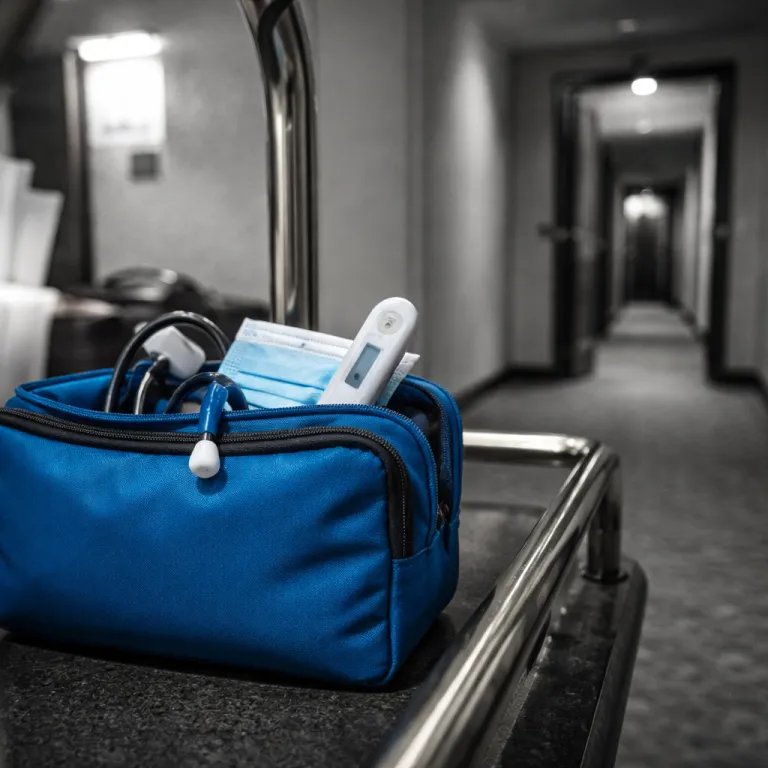
Why guest medical assistance in a hotel is now a core risk strategy
Guest medical assistance in a hotel has shifted from courtesy to core risk management. When a guest faces a medical emergency on property, the next thirty minutes will shape liability exposure, guest satisfaction scores, and long term loyalty. For travel insurers and hospitality finance leaders, the guest medical assistance hotel moment is where policy wording meets operational reality.
Comprehensive travel medical coverage typically costs between 4 and 10 percent of the total trip cost, yet it can unlock evacuation limits around USD 250 000 and coordinated emergency services that most hotels could never fund alone. International medical evacuations can exceed that amount in severe medical emergencies, which means a well structured program is not a nice to have but a financial firewall for both guests and properties. When a medical situation escalates from a minor injury to a life threatening medical emergency, the presence of a robust policy and a trained hôtel équipe often determines whether the hotel will simply provide lodging or become entangled in unpaid medical care.
For insurers, OTAs and booking platforms, the property is the real time test of product design, not the policy brochure. A guest who calls the front desk at night asking for a doctor expects seamless medical services, not a debate about exclusions or pre authorisations. If the assistance service can coordinate a hotel doctor visit, arrange emergency responders and confirm direct billing within minutes, the guest medical experience becomes a powerful proof point that drives attach rates and repeat bookings.
What a comprehensive policy actually delivers inside the hotel
On property, a strong travel insurance program translates into specific, tangible services. The most visible layer is the 24/7 assistance line that offers a nurse triage, medical advice and local doctor referrals, which gives both guests and staff members practical guidance during stressful medical emergencies. When the assistance centre can directly provide medical services such as arranging a hotel doctor or clinic appointment and confirming payment guarantees, the hotel can focus on operational support rather than financial negotiation.
For a general manager, the key is understanding which services the insurer will provide and which the hotel must coordinate. Many modern policies include direct billing with local hospitals, emergency response coordination and even translation support for injured or ill guests who cannot communicate clearly. When emergency responders arrive on site, a clear confirmation from the assistance provider about coverage for the patient and any accompanying family members reduces friction and protects the hotel’s position.
Comprehensive policies also influence how the hotel handles extended stays after a serious medical situation. Some contracts will cover additional lodging costs for a patient family or other family members who must remain close while the patient receives medical care. That coverage can turn a potentially contentious debate about nightly rates into a calm, documented process that preserves privacy and dignity for the guest while safeguarding revenue per available room, especially when broader disruption recovery flows are already in play for weather related cancellations and rebookings described in disruption recovery insurance flows that protect RevPAR.
From front desk call to emergency response: building a 30 minute playbook
When a guest calls at 2 a.m. reporting chest pain or a child with a high fever, the hotel’s first line of defence is staff training, not technology. Concierge and night audit teams need a simple, repeatable script that guides them through assessing the medical situation, activating local emergency services and connecting with the insurer’s assistance centre. In practice, the guest medical assistance hotel playbook should fit on one laminated page that survives staff turnover and night shift fatigue.
A robust protocol starts with clarifying whether the situation is a life threatening medical emergency that requires immediate emergency response via local ambulance services. In those cases, staff members must call emergency responders first, then contact the assistance provider using the policy details the guest or family members can share. For non critical but urgent issues, such as an injured or ill guest with a sprain or stomach illness, the hotel can call the assistance line directly to arrange a hotel doctor visit or outpatient medical care while still keeping emergency services on standby if symptoms worsen.
Every step should be documented in the property management system, including who called, what was reported, which services were requested and how the assistance centre responded. This documentation protects the hotel house from later disputes about what the équipe did or did not provide, and it also generates operational données that insurers can use to refine product design and align benefits with the real deposit and cancellation cycles mapped in the protection playbook for aligning travel insurance with hotel deposit flows. Over time, this disciplined approach turns scattered incidents into a structured risk management asset that benefits both patient family and hotel stakeholders.
Check in, verification and the boundary between help and liability
The most efficient guest medical assistance hotel operations start long before any ambulance arrives. At check in, front desk staff can politely ask whether the guest has travel insurance and, if so, capture the assistance hotline and policy number in a secure field of the profile. This light touch step respects privacy and dignity while giving staff members the information they need to act quickly during a medical emergency.
When an incident occurs, the boundary between property assistance and policyholder responsibility must stay crystal clear. The hotel will always provide immediate aid within its capabilities, such as first aid by trained staff, access to a medical kit and coordination with emergency services, but it should not promise to pay for external medical services unless a written guarantee of payment exists from the insurer or assistance provider. Clear scripts help staff explain that the hotel can provide lodging, logistical support and communication with the assistance centre, while the guest or their family members remain responsible for authorising treatment as the patient or legal representative.
Documentation is the hotel’s best defence against later disputes about who agreed to what. Each interaction with the guest, the assistance provider, emergency responders and any visiting doctor should be logged with time stamps and short factual notes about the medical situation and requested services. This disciplined record keeping supports the insurer’s claims investigation, protects the hotel’s financial interests and, when handled with empathy, still delivers peace of mind to guests and their families who are navigating a stressful episode far from home.
Designing a medical assistance reference that survives staff turnover
High turnover in front office and concierge roles can quietly undermine even the best guest medical assistance hotel strategy. To counter this, properties need a concise, visual reference that new staff members can use from their first solo night shift. The goal is not a thick manual but a one page guide that anchors staff training and keeps critical phone numbers and decision trees literally at hand.
An effective reference starts with three columns : life threatening emergencies, urgent but stable medical situations and routine medical care requests. Under each, list the exact steps the équipe must follow, including when to call local emergency services, when to contact the insurer’s assistance line and when a hotel doctor or telemedicine consultation is appropriate. Include space to note the guest’s policy number, the name of the patient, any accompanying patient family or other family members and the time emergency responders or medical services were requested.
Frequently asked questions should sit at the bottom of the page, using language that mirrors what guests actually say during stress. For example, the reference can address whether the hotel will pay the doctor, how the hotel will protect privacy and dignity when staff enter the room and what information the assistance centre will need from the guest medical card. Over time, this living document becomes a shared memory for the house, capturing lessons from real medical emergencies and turning them into practical guidance that protects both guests and the hotel’s P&L, especially when combined with well structured cancellation and medical coverage offers at booking described in this analysis of trip cancellation insurance for hotel direct bookings.
How insurers and platforms can embed value into hotel medical assistance
For travel insurers, OTAs and booking platforms, the guest medical assistance hotel moment is where embedded products either prove their worth or vanish into fine print. Designing coverage that aligns with on property realities means starting from the concierge desk, not the actuarial model. Policies that include clear benefits for on site medical care, direct communication with hotel staff and coverage for extended lodging for a patient family will outperform generic offerings in both satisfaction and claims ratios.
Insurers should co design staff training modules with hotel groups, focusing on how to recognise a medical emergency, how to triage a medical situation and how to use the assistance program effectively. Simple tools such as wallet sized cards with assistance numbers, QR codes linking to multilingual medical services instructions and pre scripted explanations about who will pay for what can dramatically reduce friction during claims. When hotels and insurers share anonymised données on incident frequency, types of medical emergencies and response times, both sides can refine emergency response protocols and benefit limits to match real world risk.
Partnerships with local hospitals and ambulance providers also matter, especially in destinations where only 30 percent of hotels currently offer on site medical services and where guest satisfaction scores rise by around 15 percent when visible medical aid is available. As one operational guideline summarises it succinctly : "Some hotels do; others rely on local services." and "They must assist but may not provide treatment." For industry decision makers, the message is clear : the more precisely a policy supports the staff members who answer that 2 a.m. call, the more likely it is to generate both peace of mind for guests and sustainable ROI for every stakeholder in the travel insurance value chain.
Frequently asked questions about guest medical assistance in hotels
Do hotels usually have medical staff on site for guests ?
Only a minority of properties maintain a full time hotel doctor or clinical équipe on site, while many rely on nearby clinics, hospitals and emergency services for medical care. Larger urban hotels and resorts are more likely to host visiting doctors or nurses during peak seasons. Regardless of size, every hotel should maintain updated contact lists for local medical services and emergency responders.
What medical help will a hotel provide during an emergency ?
Most hotels will provide immediate aid within their capabilities, such as basic first aid from trained staff members, access to first aid kits and rapid calls to emergency services. They will also help coordinate with the guest’s travel insurer or assistance program when policy details are available. However, they typically do not provide advanced treatment themselves and will transfer the patient to professional medical facilities as soon as possible.
Is medical assistance in a hotel free for guests and families ?
Basic support such as calling an ambulance, offering first aid and helping to contact a doctor is usually part of the standard guest service. External costs for medical services, ambulance transport, hospital care or extended lodging for family members are normally billed to the guest, their insurer or another payer. Guests should check their travel insurance wording to understand which services the policy will cover directly.
How should hotels handle guest privacy during a medical incident ?
Hotels must balance rapid emergency response with strict respect for privacy and dignity. Only essential staff members should enter the room, and sensitive medical information should be recorded discreetly and stored securely. Clear protocols on who can access incident notes and how to communicate with patient family or other family members help protect both guest rights and the hotel’s legal position.
What information should guests keep handy for faster medical assistance ?
Guests should carry their travel insurance card, assistance hotline number and any critical medical information such as allergies or chronic conditions. Sharing these details quickly helps hotel staff and emergency responders coordinate appropriate medical care without delay. Keeping a digital copy on a phone and a printed copy in the room safe offers extra peace of mind during international stays.